A familiar path can hold something worth noticing without becoming a scavenger hunt. Perhaps there is a shadow across the pavement, a leaf with an interesting edge or a sound you had not heard on the previous walk. You do not need a nature kit or a list of things to collect. Choose a suitable nearby route, bring the ordinary essentials for your outing and leave room to pause. The walk can be short, and there is no requirement to return with an object or a new fact.
Choose a route you can comfortably manage
Think about the weather, the people coming along and the practical needs of your family. A route you already know can make it easier to decide where to pause and when to turn back. Follow local access rules and keep the outing appropriate to the surroundings. You do not need to reach a special destination. A small loop or a visit to a familiar permitted spot can give you plenty to look at while keeping the journey manageable.
Begin with one open invitation
You might say that you are going to notice something interesting on the way. Avoid supplying a long list before your child has had a chance to look. A question about what they can see or hear can be enough, and quiet looking counts too. If the first interesting thing is a delivery van or an unusual gate rather than a plant, that is still part of the place you are exploring. The outing does not need to stay inside a nature theme.
Pause where your child pauses
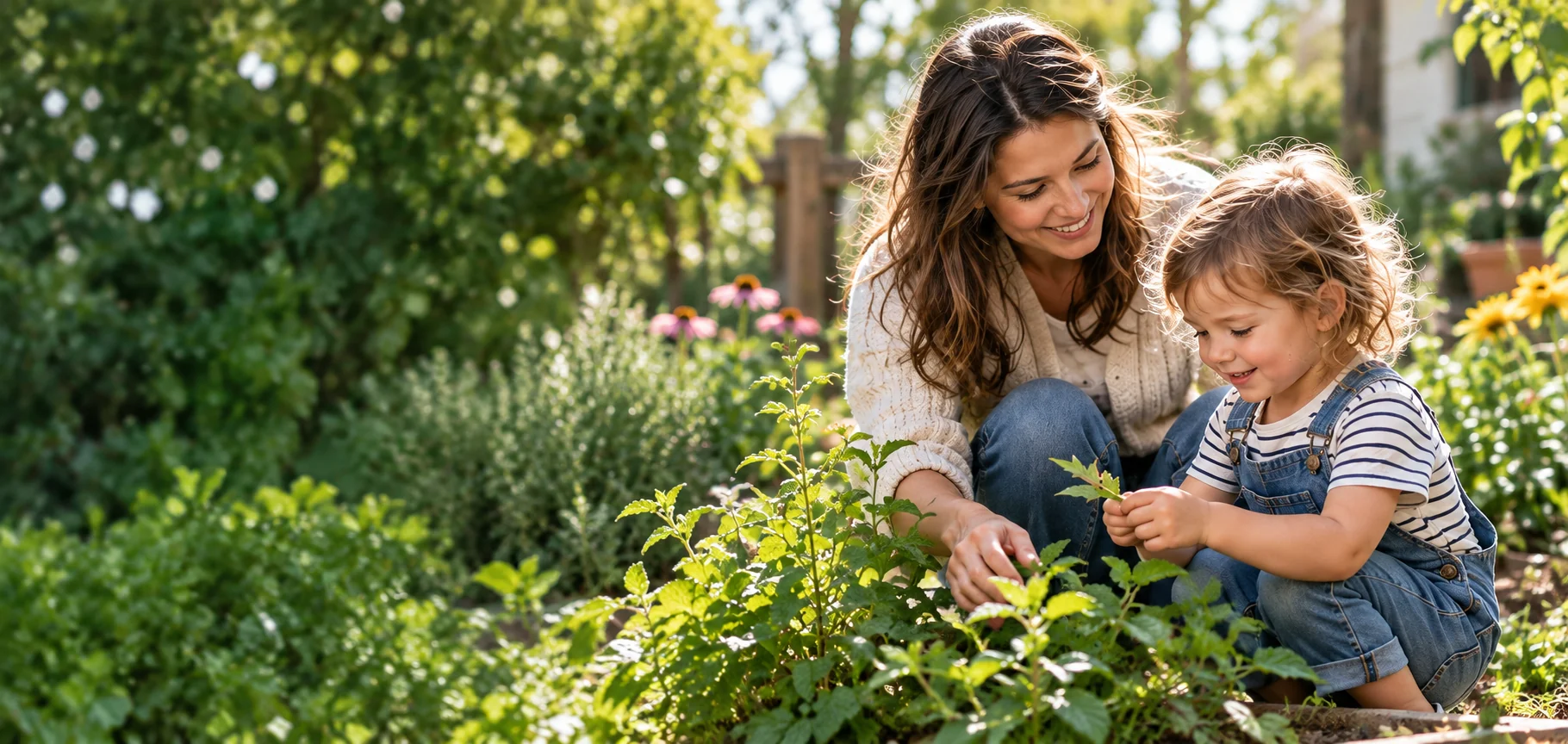
When it is safe and practical, make a little room for the detail that has caught their attention. You can describe what you see without immediately naming or explaining it. A pattern, colour or movement offers something to share even when neither of you knows exactly what it is. If there is a question you cannot answer, say so and decide whether to look it up later. You do not have to turn every observation into a miniature lesson.
Let looking be enough
Leave living things and other people’s property undisturbed. There is often no need to touch, catch or collect in order to enjoy an observation. Keep an appropriate distance from unfamiliar animals, insects and plants, and follow the guidance for the place you are visiting. You can remember a detail with a description or a simple sketch later if you want. Returning empty-handed can be part of the plan rather than a sign that the walk failed to produce anything.
Keep the pace flexible within your limits
Some days your child may want to linger; other days the walk may be mostly about moving. Let the invitation change when possible while keeping the time and route manageable. If you need to turn back, explain that simply instead of adding one more task to make the outing feel complete. A noticing walk is not a distance goal or a competition to find the most things. One shared pause can be enough of a memory for the day.
Carry one detail into the conversation at home
Later, you might mention the leaf edge or the sound again and see what your child remembers. They may remember something entirely different. You could draw it, look for a picture in a book or simply enjoy talking about it over a meal. None of those follow-ups is required. The next walk can begin fresh, without needing a collection or a record to maintain. A familiar place remains available to notice again in its own time.